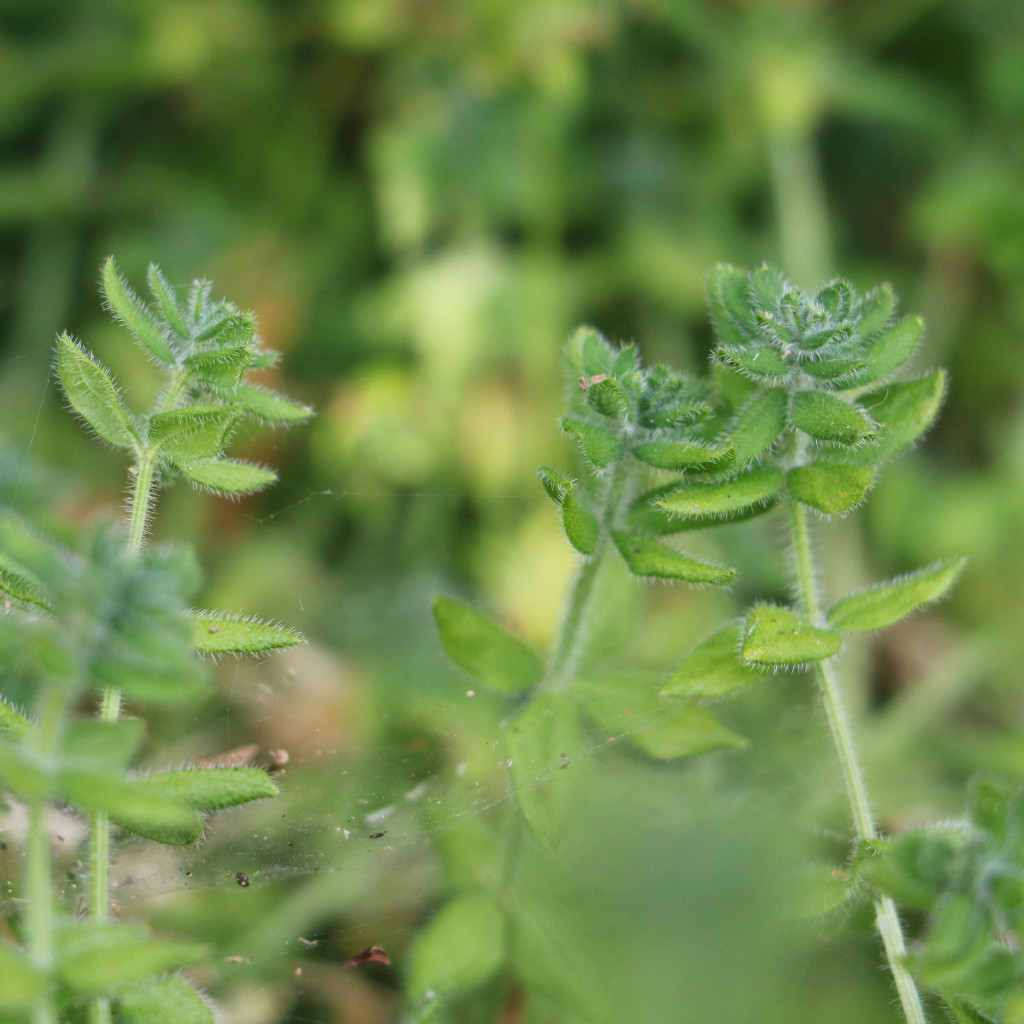
Crosswort is a softly hairy, sprawling wildflower characterized by its distinctively structured, square stems. Its oval, pale yellow-green leaves are arranged in neat, stacked whorls of exactly four. This precise spacing forms a series of geometric cross-shapes all the way up the stem. From the leaf junctions emerge clusters of tiny, four-petalled, bright yellow flowers.
Interesting Facts
The plant’s common and genus names both celebrate its cross-like leaf formation, as Cruciata translates to “crossed” in Latin. The flowers give off an unusually strong, sweet fragrance of warm honey. Historically, crosswort was a popular remedy in folk medicine used to heal external wounds, stimulate appetite, and treat conditions like rheumatism, rupture, and dropsy.
Importance to Wildlife
Blooming early in the season when many meadows are still dormant, crosswort is a vital resource for emerging insects. Its honey-scented, nectar-dense flower clusters attract diverse solitary bees, honeybees, hoverflies, and butterflies. Because it thrives in hedgerows and verges, its dense mat-forming growth provides critical low-level shelter and breeding grounds for a massive variety of garden invertebrates.
Advice
Crosswort is non-toxic to humans and animals. In fact some forages use it in salads or dried to bre in herbal tea.