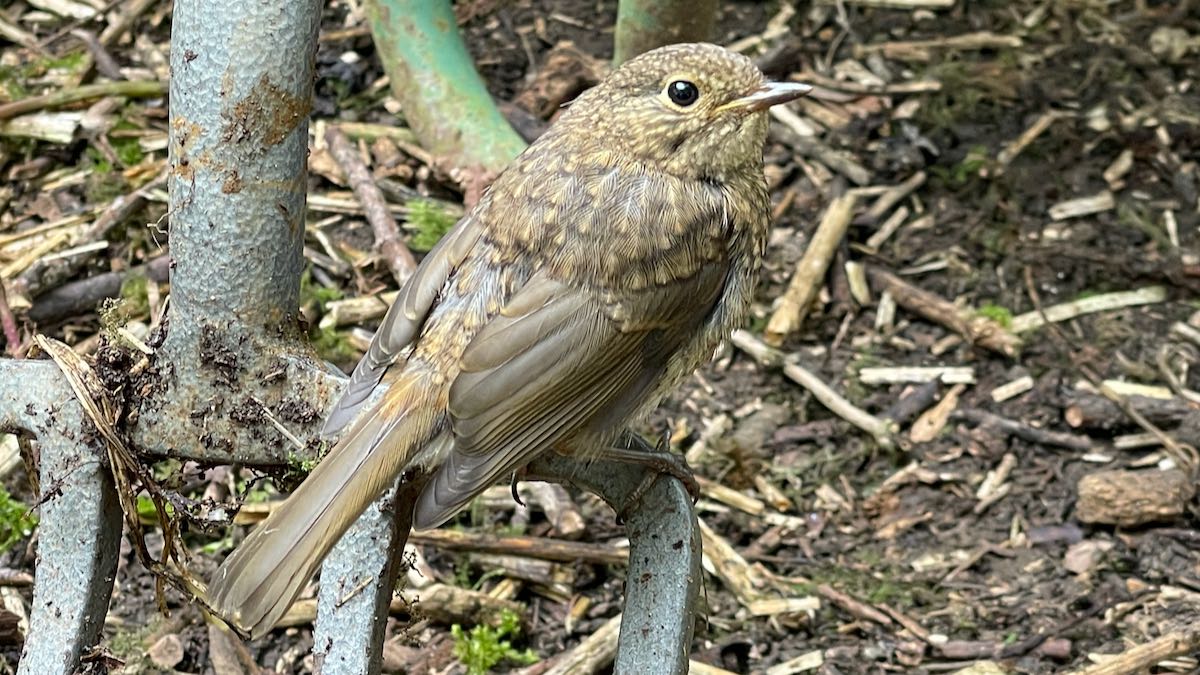
A century-old orchard is a remarkable feature of the English landscape, but we must be clear about how wildlife uses it. It is a common misconception that small garden birds – such as blue tits, robins, goldfinches, and wrens – will simply “arrive and stay” merely because old fruit trees are present.
In truth, birds are practical creatures driven entirely by survival. They do not settle in an orchard by chance; they reside only where three fundamental elements are continuously available: food, water, and shelter. Without these deliberate conditions, a hundred-year-old orchard can remain surprisingly quiet.
1. Food: Year-Round Sustenance
While the mature apple trees offer autumn fruit, small garden birds cannot survive on apples alone, nor do they feed on them year-round.
- Spring & Summer: Breeding pairs need thousands of caterpillars, aphids, and grubs to feed their chicks. A single blue tit family requires up to 10,000 insects per brood. If the grass beneath the trees is closely mown and understorey plants are removed, these insect populations collapse, and the birds are forced to nest elsewhere.
- Autumn & Winter: Granivorous species, such as finches, rely on seed-bearing wild flowers, teasels, and native scrub once the fruit season ends.
Leaving windfall apples to decay naturally, alongside managing patches of wilder vegetation, is a step towards providing the essential insect life and seed heads needed to sustain birds throughout the year.
2. Water: Hydration and Feather Care
Access to clean water is often the most overlooked requirement in an older orchard layout. Birds need reliable water supplies for drinking and essential feather maintenance, which keeps their plumage insulating in winter and light enough for efficient flight from predators.
This need has become critical as we face increasingly dry English summers. Extended summer droughts dry up natural ditches, puddles, and surface water across the surrounding landscape. Without intervention, local bird populations face severe dehydration and heat stress, driving them away to seek water elsewhere.
By installing shallow, low-maintenance ponds or permanent ground-level water dishes, we safeguard our local species against these prolonged dry spells and ensure they remain resident within the orchard.
3. Shelter: Nesting and Protection
Although centenary trees have characterful, craggy bark, modern pruning and natural dieback can leave gaps in the cover they provide. Small birds require specific structural shelter:
- Predator Protection: Thick, native hedgerows (such as hawthorn, blackthorn, and hazel) surrounding the orchard offer essential corridors. They allow small species to move safely away from sparrowhawks and domestic cats.
- Roosting and Nesting: Hole-nesting species require secure cavities or well-placed nest boxes. Open-nesting species, like robins and hedge accentors (dunnocks), need dense, ground cover, low shrubs or habitat hedges.
Trying to make a difference
Our objective is to preserve this orchard as a stunning, beautiful haven for the family while enhancing its ecological value. The practical enhancements made – such as installing discreet water containers to combat dry summers, adjusting mowing schedules, and mounting targeted nest boxes – are not superfluous extras. They are the essential infrastructure required to transform an historic collection of fruit trees into a flourishing, bird-filled sanctuary.
Leave a Reply