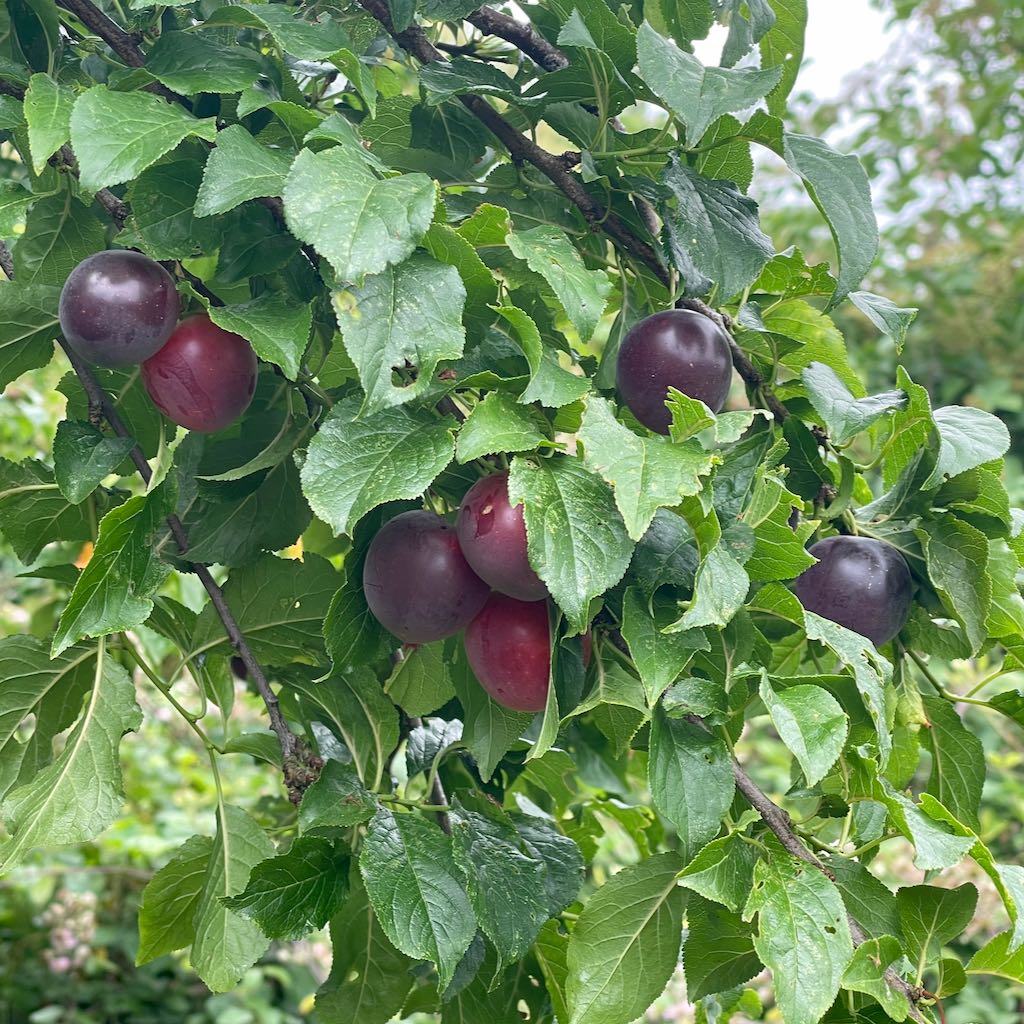
Cherry plum is a small, fast-growing tree or large shrub featuring a dense, brambly canopy and smooth, dark-grey bark that splits with age. Its delicate, oval green leaves have finely serrated edges. In late winter, it explodes into a spectacular mass of small, five-petalled white or pale pink flowers. By mid-summer, these develop into an abundance of sweet, round, cherry-sized yellow or red fruits.
Interesting Facts
As one of the very first European trees to flower each year, its sudden winter blossom serves as a traditional herald of spring. Historically, Dr. Edward Bach used cherry plum flower extracts as one of the core ingredients in his famous “Rescue Remedy” to treat extreme anxiety. Culturally, its tart, ripe fruits are highly prized in Eastern Europe for making tkemali, a famous, tangy Georgian dipping sauce.
Importance to Wildlife
This tree is a vital ecological anchor due to its exceptionally early flowering schedule. When few other plants are active, its dense white blossoms provide a critical, life-saving source of nectar and pollen for early-emerging queen bumblebees, honeybees, and hoverflies. Its thick, thorny twigs offer robust, predator-proof nesting shelter for small birds, while the sweet, fallen autumn fruit feeds wasps, butterflies, and foraging mammals.
Advice
The fruit of the Cherry Plum is delicious eaten raw or made into jam.