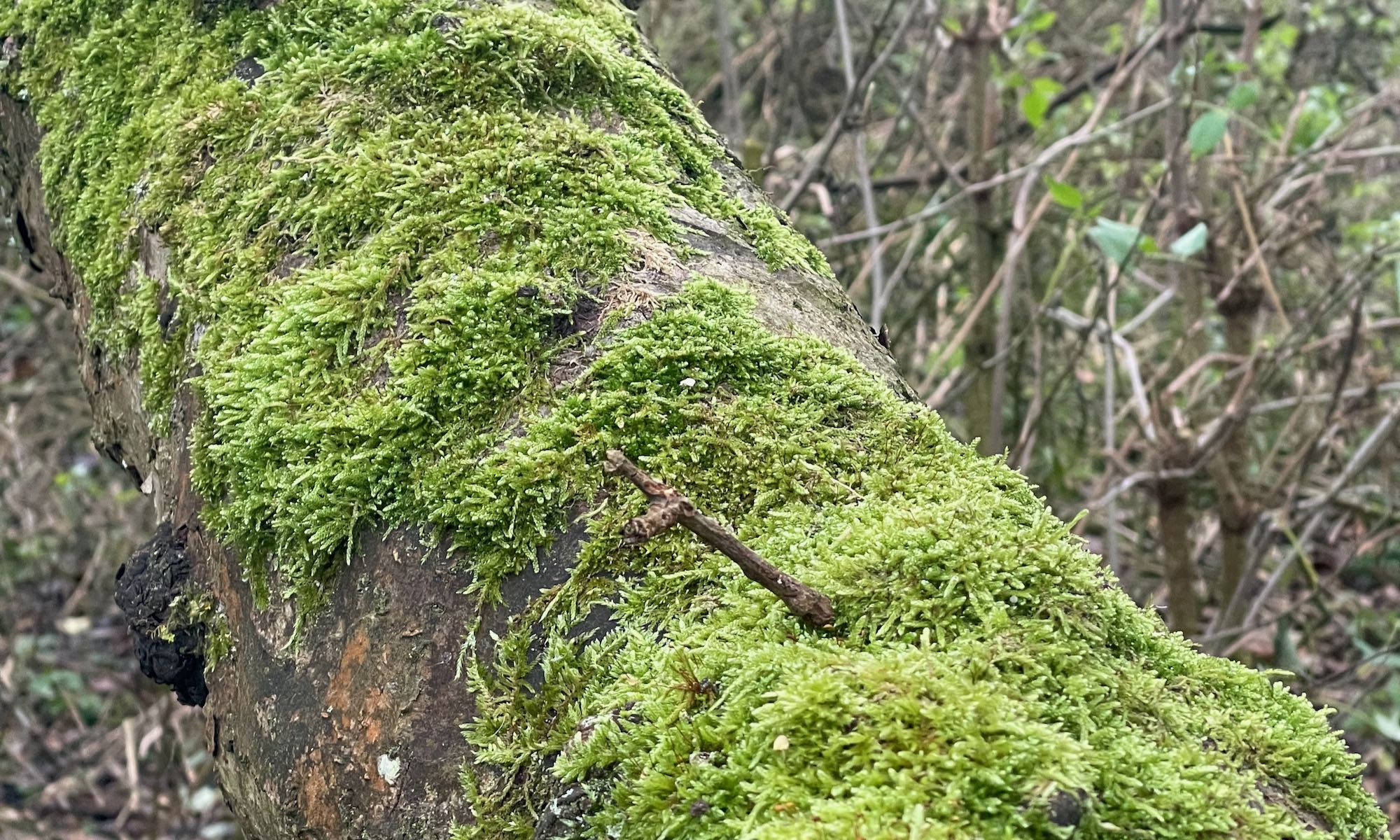
An ecosystem is a community of living organisms that interract with each other and their environment.
Within an ecosystem, living organisms (plants, animals, and microorganisms) form a complex web of relationships with each other; effectivley working together and relying on each other in a way that maintains a balance of life.
An ecosystem contains living components (creatures that are either producers or consumers) and non-living components such as light, water, and soil. It is the energy flow, nutrient cycling and interactions between all these components that creates a balanced ecosystem.
The term ecosystem could relate to an environment and organisms that cover entire regions or that cover just one garden or wood (or our orchard).
Our heritage orchard has its own ecosystem that contains a community of living organisms and the natural environment. The organisms include plants, fungi, insects, birds and mammals that live within the specific soil and weather conditions that the orchard provides. In other words, the living organisms within the orchard are reliant on each other to be present to provide the specific conditions they need to survive.
Ecosystems tend to stabilise over time. However, the removal of any one or more component from the ecosystem will destabilise it and, in some cases, may cause the ecosystem to collapse such that some organisms may spontaniously disappear (i.e. go elsewhere) or die off because their needs are no longer met.
Most famously, climate change has the potential to change local weather conditions that can, in some cases, tip the balance of an ecosystem from stability to instability. So, for example, warmer winters may cause certain trees to blossom earlier in the year leading to some insects being deprived of an expected source of nectar putting. This could lead to both the insects being at risk of dying off and the trees at risk of not being pollinated.
Of more immediate concern is the effect that humans may have on their ecosystem. Changes that humans impose on a small ecosystem such as the orchard can easily have a massive detremental effect on the whole orchard. To see what the effect of the removal of wildflowers could have see another post.
Ecosystems can not only be unbalanced through the removal of an important component but also by the addition of a new detrimental component. For example, in the UK Japanese Knotweed is an invasive species that has the ability to destabilise any environment into which it is introduced; for that reason it is now controlled through legislation.
When discussing ecosystems, the word balance is often used. Like a see-saw, if the ecosystem becomes unbalanced then the effect can be sudden and dramatic. Humans should not expect to add or remove elements from an ecosystem with no effect. This awareness is even more important in ecosystems that have developed over time; we have a responsibility to be aware of how the changes we make will affect the creatures that live in an ecosystem.